Michelle G Brown | Mixed Media Art

The Importance of Using Symbols

~ * ~

This article was written by Anjuli Johnson

Google defines a symbol as “a thing that represents or stands for something else, especially a material object representing something abstract.” In other words, a symbol is something tangible that represents an abstract idea.  When we think of symbols, I believe the tendency is to think of them as obscure references, not widely used, but the truth is we use symbols every day.  They are all around us. Logos and banners, gestures, signs- symbols are on our money, on our cars, and even in our language.  Letters and words are themselves symbols if you stop to think about it.  Each letter of the alphabet is simply a mix of lines and curves on a page.  By themselves, letters and words don’t mean anything, but because our culture has ascribed meaning to these markings and the order they may be arranged in, they enable us to develop thoughts and ideas about the world and share those ideas with other people.

Symbols are a teaching tool, and as such are indispensable when it comes to artistic expression.  Artists can teach absolute truths indirectly by incorporating symbols into their art.  I’d like to talk about a few of the ways I have added symbolic meaning to my art, and how each of us can share our ideas of absolute truth with our audience through the intentional use of symbols.
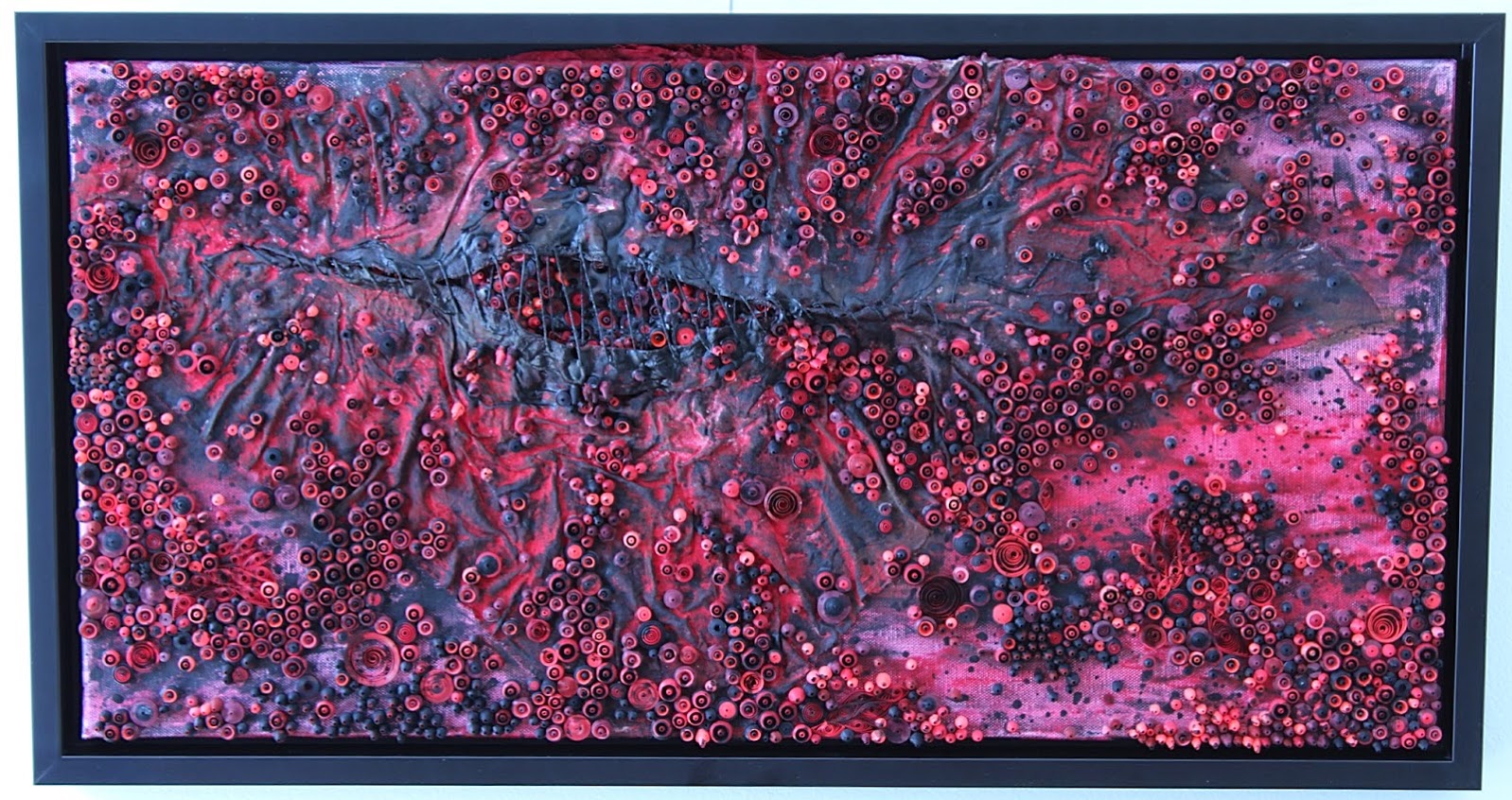
This panel represents corruption and sin- our attempts to hide our sins, and the fact that such an endeavour is impossible.

Symbols are best for sharing ideas when they are easily recognizable.  The piece pictured is one in a series of panels, and this particular panel is using color to symbolize sin and corruption.  Black and Red together are easily recognizable as symbols of darkness and terror. (Think “The Masque of the Red Death”, by Edgar Allen Poe.) Combined with the mess of elements, the erratically stitched muslin, the splashes of paint, and the overall messiness and chaos of this piece, the ideas of corruption and attempts to hide that corruption are well represented.
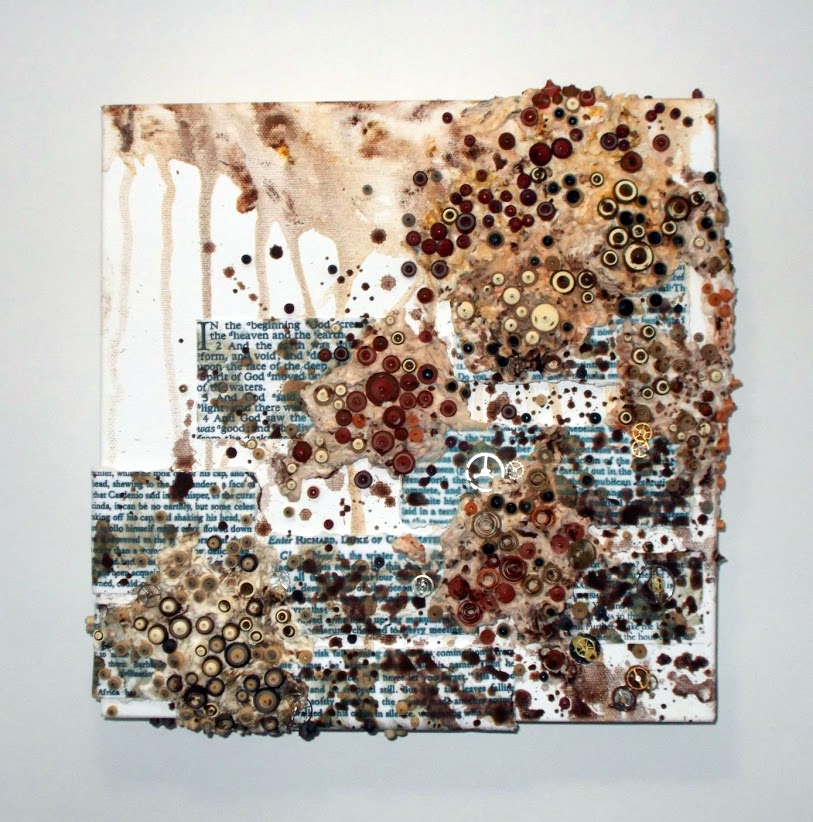
I use text in this piece to represent our knowledge as individuals and as a society.

In this piece I used blocks of text from different books that are easily recognizable in western culture (The Bible, Shakespeare, Don Quixote, etc.)  By themselves, these blocks of text could symbolize an accumulation of knowledge and culture; the birthplace of our western societies and way of thinking.  However, combined with the mess of paper clay, the splashes of brown paint, and the randomness of the paper elements, the meaning changes.  Now it represents how our culture forgets and covers the past in many ways to justify the choices of the present.
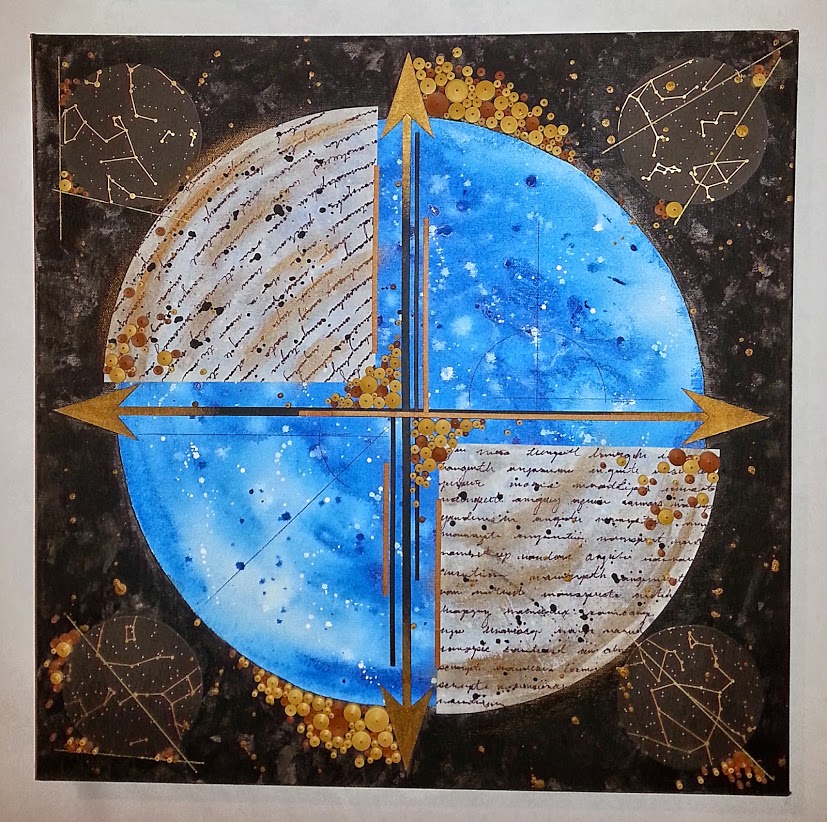
The symbols of direction and guidance are important in this piece.

I generally approach my art in two different ways- I work on a piece one element at a time and allow it to develop a life of its own, or I plan things out carefully and really take my time to ensure my vision matches what I have created as closely as possible.  I’ve found that deliberately finding ways to incorporate symbolic meaning generally means I have to take my time and plan my work very carefully, but that process really stretches me as an artist.  It’s when I’m working in this way that I experiment more, I expand my thinking and my ideas, and I end with a creation that feels like more of myself.

There are so many ways to incorporate symbolic meaning into our art.  Through color, texture, text, visual signs and tokens, etc. we can share important ideas and themes.  Just as words are written down to reveal truth and knowledge to its readers, so too symbolic art can teach absolute truth to those who take the time to understand it.  This is one of the main reasons why I believe art is so important- the fact that it can help change and stretch us as artists, individuals, and societies.

~*~*~*~*~*~*~*~*~*~*~*~*~*~*~*~*~*~*~*~*~*~*~*~*~

Anjuli Johnson is a Mixed Media Artist from Raleigh, NC.  She began her art career as a scrapbooker, and it’s been an evolutionary process every since.  She loves all things mixed media- paper, glue, paint, canvas, pens, wire, gears… the list goes on and on.  She is constantly trying to push through her fears to discover and develop her talents, meet new people, and learn from those around her.  TheFarPavilion
www.thefarpavilion.com 
.

.

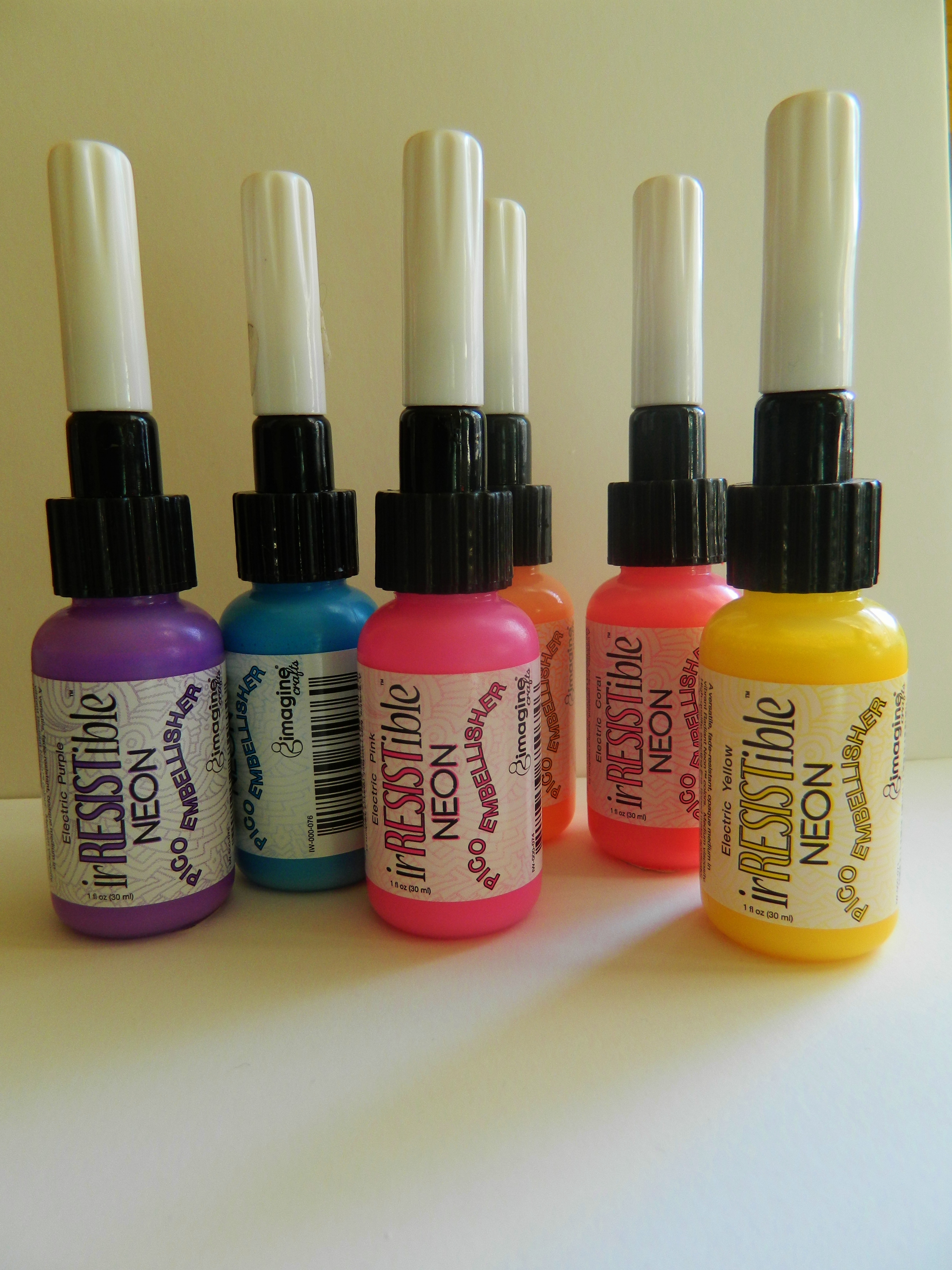
Neon Pico Embellisher

This article was written by Melanie Statnick

textured artwork using the irresistibleNeon Pico Embellisher.

Imagine Craft has done it again with their irresistible Neon Pico Embellisher.

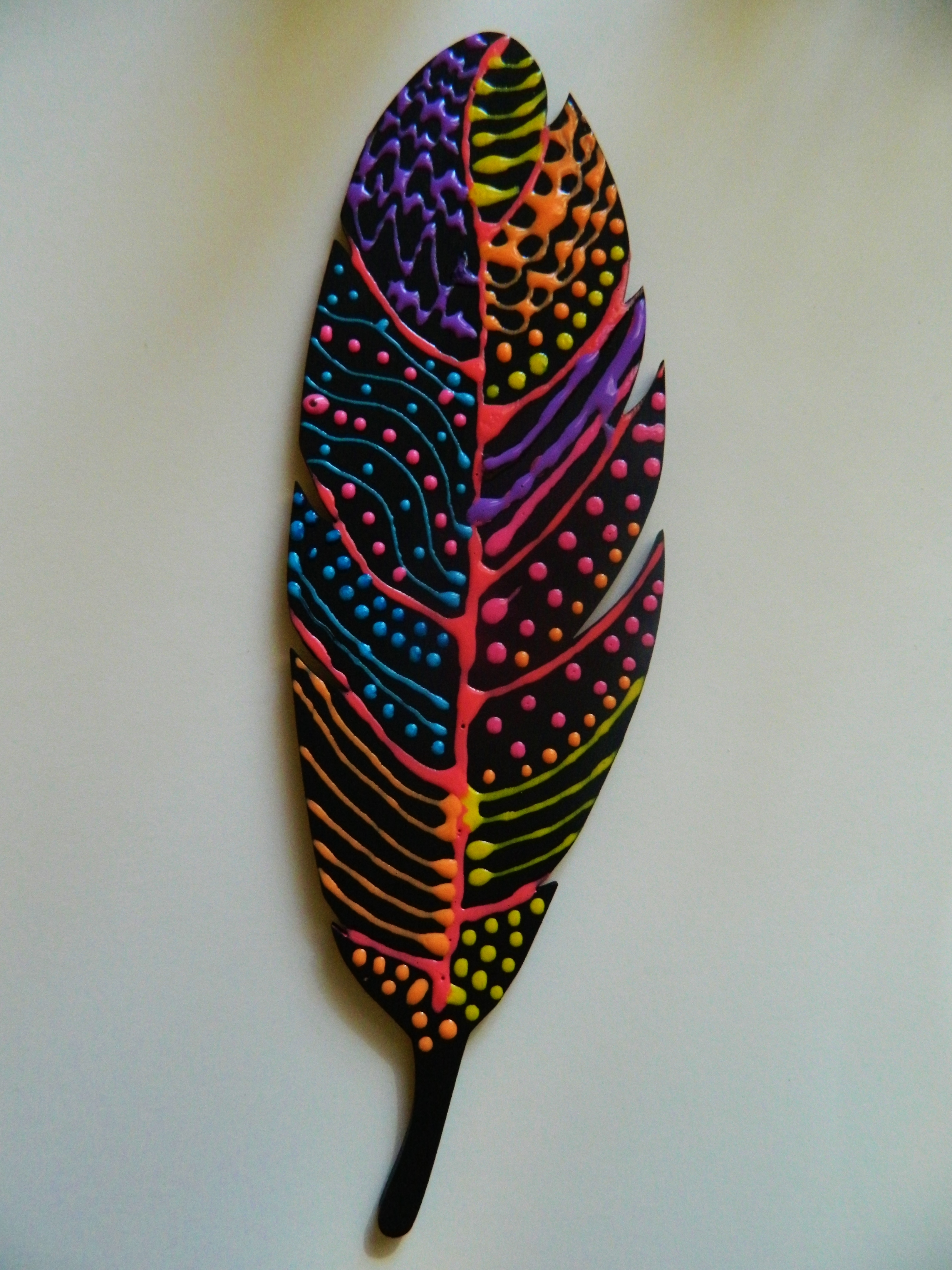
I like to paint on different types of surfaces and recently I have in position some wood feathers that have been cut for me. I painted them with black gesso with the intent on painting them with acrylic.

I knew that the Pico embellisher gave some great texture and I thought the 3D effect and the neon on black would look amazing. And it turned out perfect.

Neon Pico Embellisher Product review

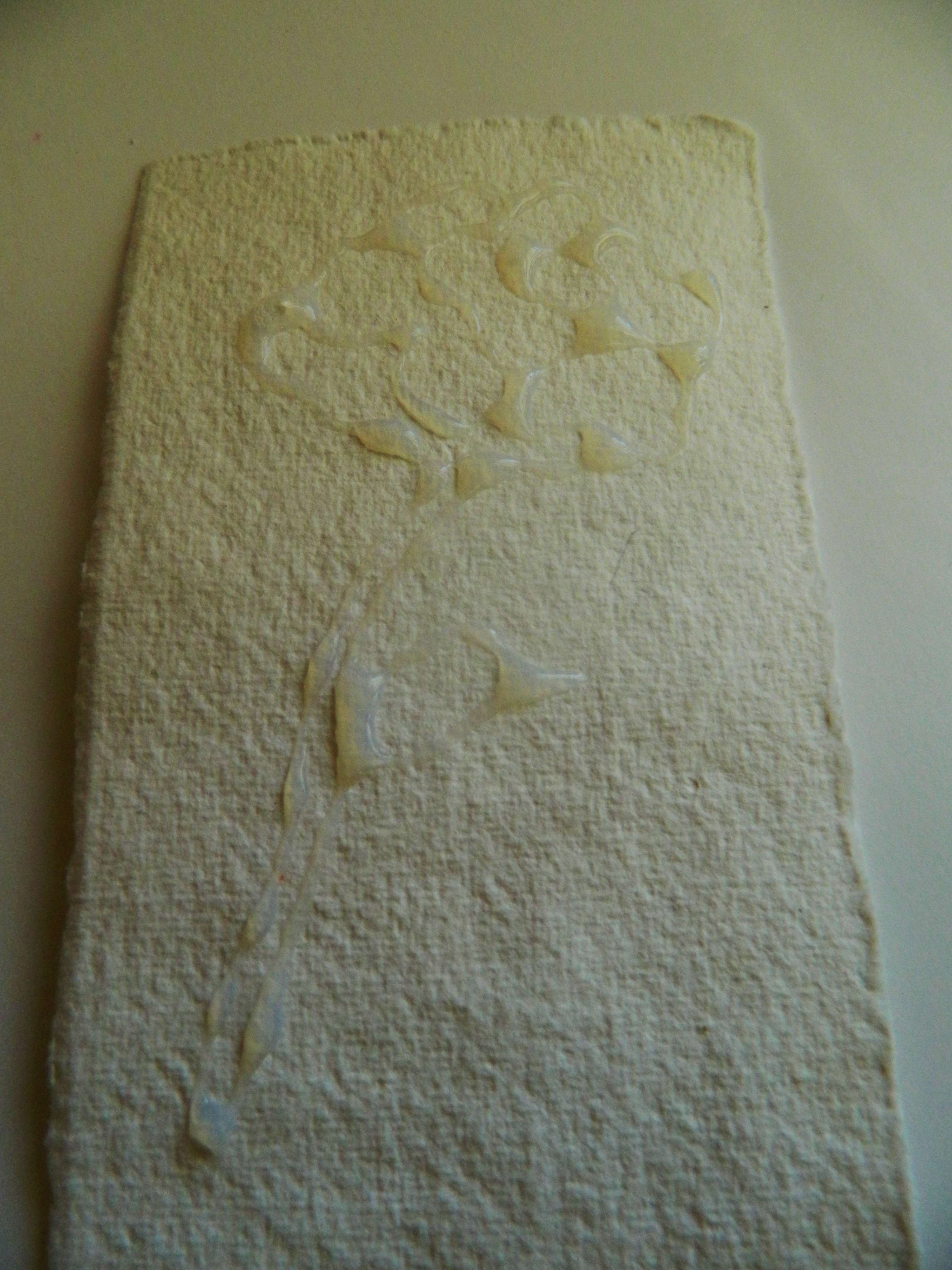
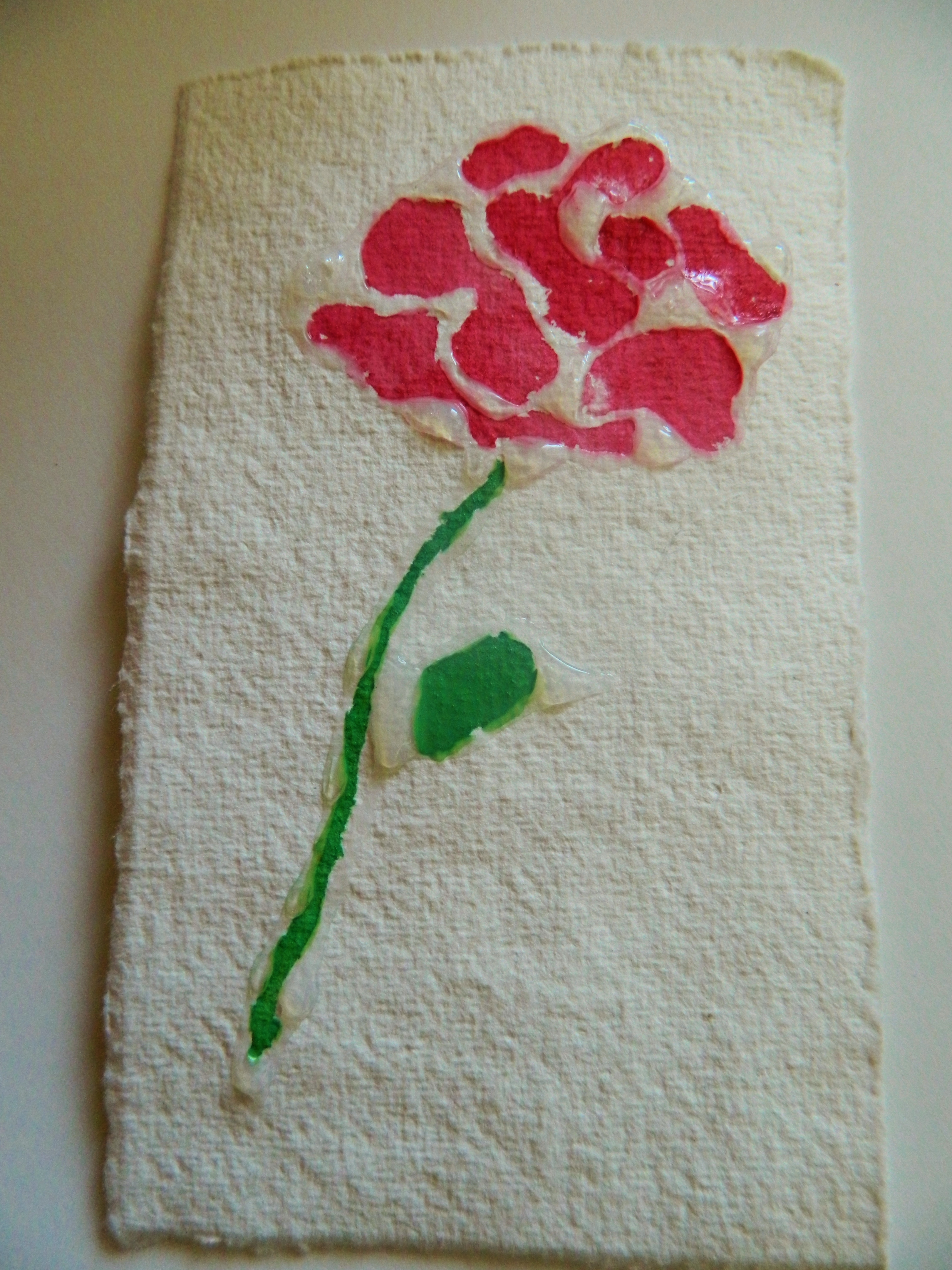
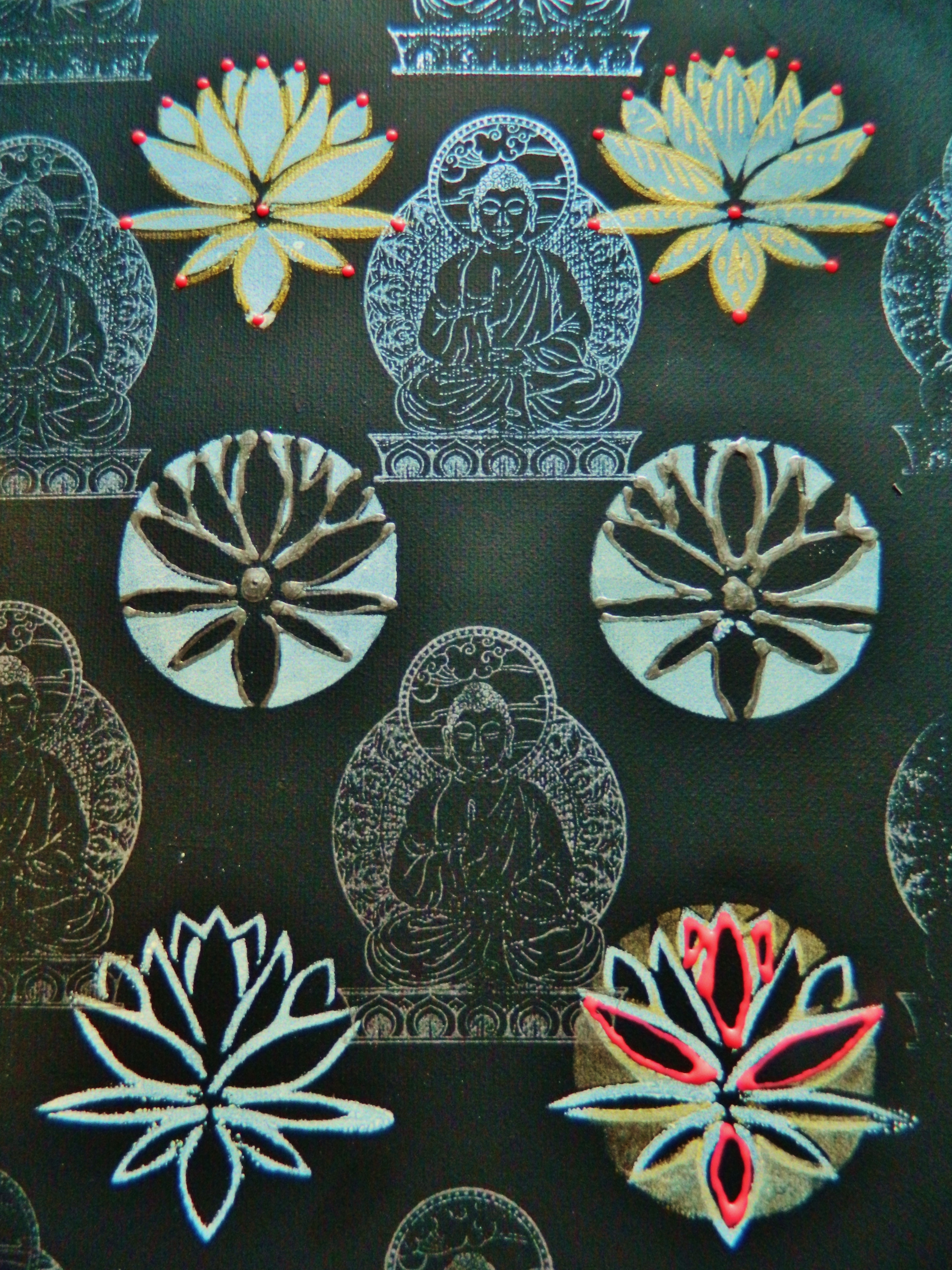
I also found that the clear Pico embellisher was great for creating boarders so I drew an abstract rose with it, dried it and painted in the negative space with watercolor.  You can create thicker lines and thinner lines with the pressure you use while operating. The Pico tip is great for outlining and adding dots like I did in the canvas project. Happy creating.

Neon Pico Embellisher Product review

Neon Pico Embellisher Product review

Neon Pico Embellisher Product review

~*~*~*~*~*~*~*~*~*~*~*~*~*~*~*~*~*~*~*~*~*~*~*~*~

Artist Melanie Statnick is a Published Artist/Writer out of North Carolina who writes and creates art daily from her private studio. Melanie is also the host of her own program via video and local PBS named The Brush & Pen  a Nash Community College production. . Statnick’s artwork can be found in art galleries extensively in NC with international private collections.Visit her website to see more art and inspiration www.melaniestatnickart.com

~*~*~*~*~*~*~*~*~*~*~*~*~*~*~*~*~*~*~*~*~*~*~*~*~

.

.

Book Review: 101 Mixed Media Techniques

~ * ~

This article is written by Barbara Rankin

Mixed media is really hot right now, and whether you are a novice or a skilled mixed media artist, this book would be a wonderful addition to any artist’s library.

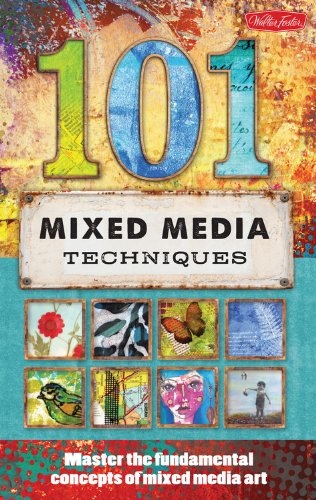
Book cover

The book is a compilation of a myriad of mixed media techniques by several artists, and is published by Walter Foster. It retails for $19.99 in the United States.  I particularly like the way it is spiral-bound, allowing it to lay flat while referring to a particular technique.

The book begins with:  “There are no mistakes in art.”  I could not agree more.  Every artist has their own style, and this book will help you evolve as an individual artist, in your own way and in your own creative manner.  Next, there are suggestions for how to use this book, and it explains that with mixed media, the techniques can either be used individually or combined to create your very own masterpiece.

The topics covered in this book are painting backgrounds, gesso and mediums, found and re purposed materials, stamping, stenciling, altering photos, transferring images, encaustics, playing with paper, adding texture, and the ever-popular art journaling.

Each chapter addresses various techniques pertaining to the topic, with a list of supplies.  For instance, under “Painting Backgrounds”, you will find techniques for dry brushing, rolling paint, scraping, washes, and so on.  Each technique is presented with excellent examples, a brief explanation, and tips from the artist.

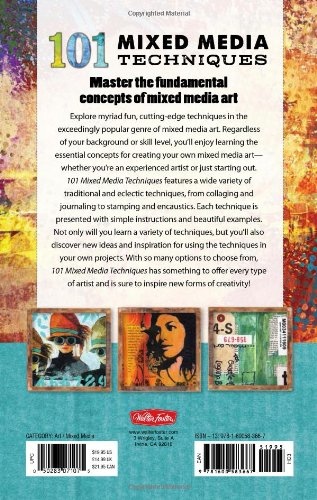
Book cover

I like to compare mixed media artists with a scientist in a laboratory, one who is always experimenting, always looking for just the right combination of ingredients.

This book will definitely be on my desk at all times, not only for inspiration, but I will consider it my workbook, or notebook, of all things mixed media, only someone else did all the work of taking notes and writing them down for me.  Even if I already know how to perform a specific technique described, It will be something I can refer to over and over again to either refresh my memory as to a specific technique, or to help me get my mojo back when it takes a leave of absence. You know those times when you have to walk away from your work because you are stuck for ideas.  This book should alleviate some of that.

When it comes to mixed media, the most important thing to remember is that there are no rules.  Try the techniques in the book, and experiment with them.  You just might come up with the most amazing technique that will be your “go-to” for years to come.

~*~*~*~*~*~*~*~*~*~*~*~*~*~*~*~*~*~*~*~*~*~*~*~*~

Barbara is a mixed media artist who loves to teach. She loves to learn new techniques and to share her knowledge with other artists. She is a contributing artist in a book: Make it in Minutes: Mini Albums, and has been published in several paper and online magazines. She is currently on two design teams, Sin City Stamps and Altered Pages, and has served as a design team member for The Robin’s Nest and Creative Paperclay®, as well as guest designer for Craftwell USA and the February 2015 issue of Unruly Paper Arts.

She lives in the Memphis, Tennessee, with her very supportive husband of 32 years, and her two Yorkies, Chloe and Zoe.

You can see more of Barbara’s work on her blog at Black Hole Art Studio or via Facebook – Black Hole Art Studio

~*~*~*~*~*~*~*~*~*~*~*~*~*~*~*~*~*~*~*~*~*~*~*~*~

.

.

Mixed Media Canvas: Harmony

~ * ~

This article is written by Shari Welch

I have been wanting to try some of the new line of mixed media products from DecoArt® called media.

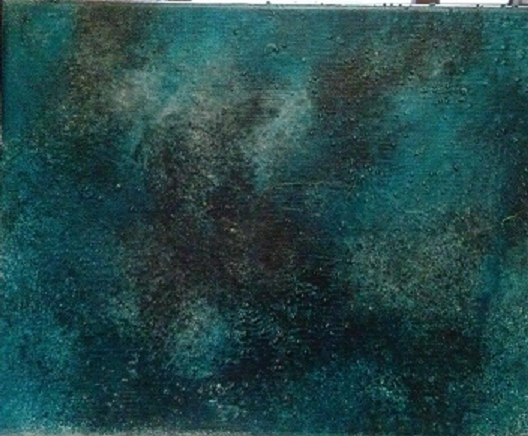
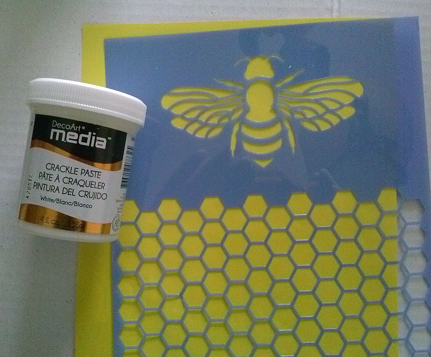
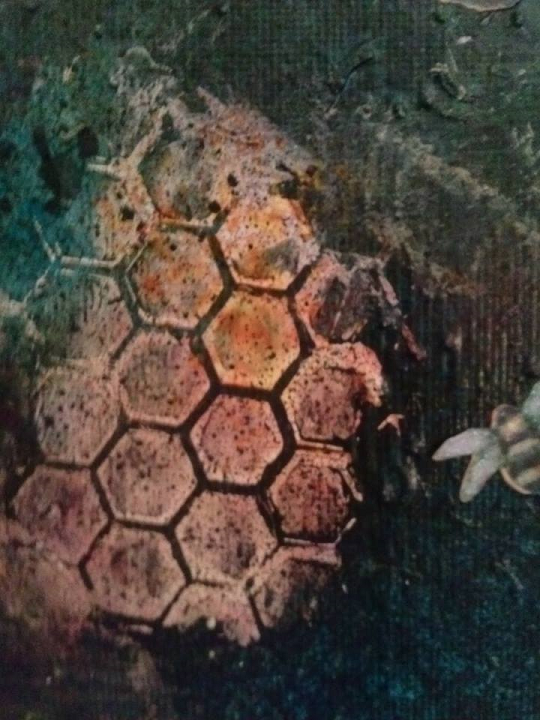
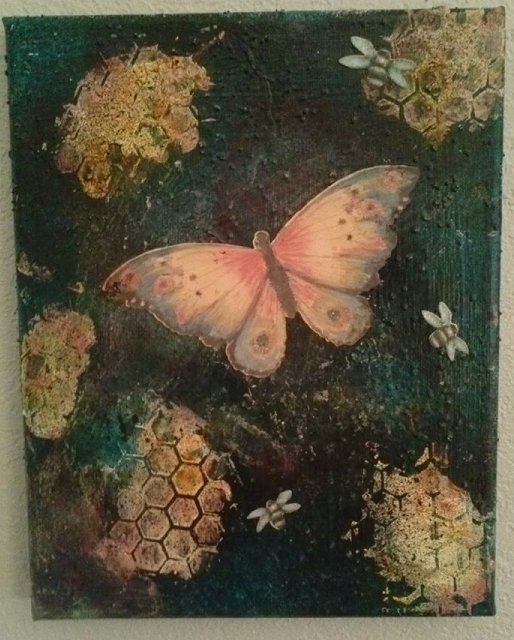
I decided it was time to bring out the canvas to try out a few of these products. I am using a  black regular mister, a shimmer mister in turquoise, and a crackle paste. I pulled out a bee hive stencil to use with the crackle paste.  I added additional color using distress inks by Tim Holtz. I finished by adding some butterfly and bee ephemera.

Tip: When using ink sprays make sure you clean them out after each use. I have an extra spray bottle filled with diluted DecoArt® brush and stencil cleaner that I attach the sprayer to. Spray onto a paper towel until no more ink is visible.

canvas with background

bee stencil crackle paint

close up of crackle paste bee

finished canvas

~*~*~*~*~*~*~*~*~*~*~*~*~*~*~*~*~*~*~*~*~*~*~*~*~

Shari Welch Artist Profile: I have been creating art for as long as I can remember. I studied graphic design in Portland,Oregon before moving to Denton, Texas and putting all my focus on mixed media art. In addition to being an article writer for mixed media art, I am on the Creative Paperclay Design team, The Robin’s Nest Design team, and a blogger for DecoArt. I strongly believe in giving back. I volunteer at Scrap Denton Creative Reuse Center where I teach workshops, art camps, and perform art demos. I am very passionate about mixed media art and helping others discover their creativity.

Follow My Altered Life’s blog page

My Altered Life’s Pinterest addiction

Tweet with My Altered Life

My Altered Life is on FB

~*~*~*~*~*~*~*~*~*~*~*~*~*~*~*~*~*~*~*~*~*~*~*~*~

.

.